Claudya Coast: A Modern Script Font for Creative Branding
Every designer knows that moment: you're staring at a project, the layout is solid, the colors are right, but something's missing. The text feels flat, impersonal, disconnected from the human story you're trying to tell. That's where the right script font changes everything. Claudya Coast enters that space with a confident, playful energy—a handwritten typeface that balances modern flair with genuine warmth. Created by Kong Font Studio, this font isn't just another decorative script; it's a tool for anyone building a brand that needs to feel approachable, stylish, and unmistakably real.
Why This Handwritten Font Stands Out
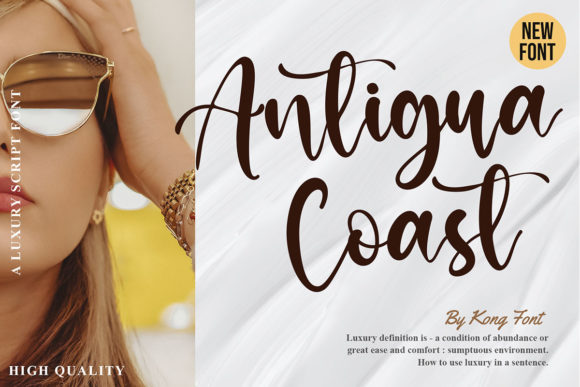
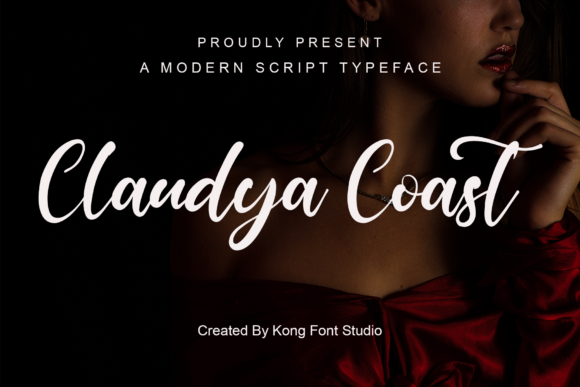
Claudya Coast is a modern and playful handwritten script font designed for projects where personality matters. Its letterforms flow with a natural, slightly irregular rhythm that mimics authentic handwriting without sacrificing legibility. Unlike overly formal calligraphy scripts or casual marker fonts, it sits in a sweet spot: sophisticated enough for professional branding yet relaxed enough for creative products. The strokes vary subtly in weight, giving it a textured, organic feel that digital-only fonts often lack. This makes it particularly effective for logos, t-shirt printing, social media graphics, and packaging where you want a human touch that doesn't look homemade.
What makes it visually appealing is its versatility within its style. The characters connect smoothly, but not in a way that compromises readability at smaller sizes. The lowercase letters have a friendly, rounded quality, while the uppercase set offers more pronounced swashes and flourishes. This duality means you can use it for both bold headline statements and more intimate, conversational text blocks. It's the kind of typeface that works across a coffee shop menu, a wedding invitation, and an Instagram story template with equal ease.
Practical Applications Across Your Projects
For branding, Claudya Coast helps build a visual identity that feels personal. Imagine a boutique skincare line using it for logo design and product labels—the handwritten style suggests small-batch care and artisanal quality. Or a freelance photographer incorporating it into watermarks and portfolio headings to convey a creative, approachable brand voice. In packaging design, it adds character to product boxes, hang tags, and thank-you cards, making unboxing feel like a personalized experience rather than a generic transaction.
In digital spaces, this script font shines. Social media graphics gain authenticity when headers and quotes use a handwritten style. It cuts through the noise of overly polished corporate fonts, making content feel more like a conversation. For websites and blogs, it's excellent for featured titles, pull quotes, or call-to-action buttons where you want to draw the eye without resorting to loud colors or oversized text. It pairs beautifully with clean sans serif fonts for body copy, creating a balanced hierarchy that guides readers naturally.
Print materials benefit equally. Event posters, workshop flyers, and business cards gain a tactile quality even in digital print. For merchandise like tote bags, mugs, or apparel, the font translates well to screen printing and embroidery because its letterforms are distinct yet not overly complex. Invitations for weddings, birthdays, or corporate events take on a bespoke feel. Even in editorial layouts, such as magazine feature titles or book chapter headings, it provides a striking contrast to traditional serif fonts, adding visual interest without overwhelming the page.
Improving Your Visual Communication
Choosing a font like Claudya Coast isn't just about aesthetics—it's a strategic decision that impacts how your audience perceives your brand. Consistent use of a distinctive script font across all touchpoints builds brand recognition. When someone sees that same playful, flowing text on your website, your Instagram bio, and your product packaging, it creates a cohesive visual language. This consistency makes your brand more memorable and professional, even if you're a solo entrepreneur or a small team.
Readability is often a concern with script fonts, but Claudya Coast is designed with practical use in mind. While it's not intended for long paragraphs of body text, it performs admirably for headlines, short phrases, and display purposes. The key is context. Use it where you want to inject personality—logos, banners, featured quotes—and pair it with a highly legible sans serif or serif font for longer text. This pairing ensures your design is both engaging and easy to read, which directly influences audience engagement. People are more likely to stop scrolling or pick up a brochure when the typography feels inviting.
Making It Work for Your Needs
Before committing to any premium font for a commercial project, test it thoroughly. Download the font file and experiment with your actual content. Type out your business name, tagline, and key phrases. Check how it looks at different sizes, both on screen and in print. See how the characters interact—some script fonts have awkward letter combinations that require manual kerning adjustments. Claudya Coast generally handles these transitions well, but every project is unique.
Font pairing is where design becomes truly interesting. Try combining Claudya Coast with a geometric sans serif like Montserrat or a clean serif like Lora. The contrast between the organic script and the structured type creates visual tension that holds attention. Avoid pairing it with another decorative font, as this often leads to visual clutter. The goal is harmony, not competition. Also, review the full character set. Many script fonts include alternate characters, ligatures, or stylistic sets that can customize the look further. Explore these options to make the font truly yours.
Licensing is another practical consideration. Since Claudya Coast is available through Creative Fabrica, it typically comes with a commercial license that covers most standard uses—logos, merchandise, digital products, and marketing materials. However, always read the specific license terms. If you plan to use it in a product you sell, like a template bundle or a physical good, ensure the license permits that. For designers working with clients, this is especially important to verify upfront to avoid legal headaches later.
Final Thoughts on Choosing Your Typography
Typography is the voice of your visual design. The fonts you select whisper (or shout) messages about your brand's personality, values, and audience. Claudya Coast offers a specific voice: modern, playful, and human. It's not the right choice for a law firm or a tech startup aiming for sterile minimalism. But for a lifestyle brand, a creative studio, a wedding planner, or an Etsy seller, it could be the perfect fit. It bridges the gap between professional design and authentic expression.
When exploring design assets for your next project, consider not just what looks trendy, but what feels true to your message. A handwritten font like this can make your brand more relatable, your designs more dynamic, and your communication more effective. Test it, pair it thoughtfully, and see if its character aligns with the story you want to tell. In a world saturated with generic typography, a font with genuine personality can be a quiet but powerful advantage.